
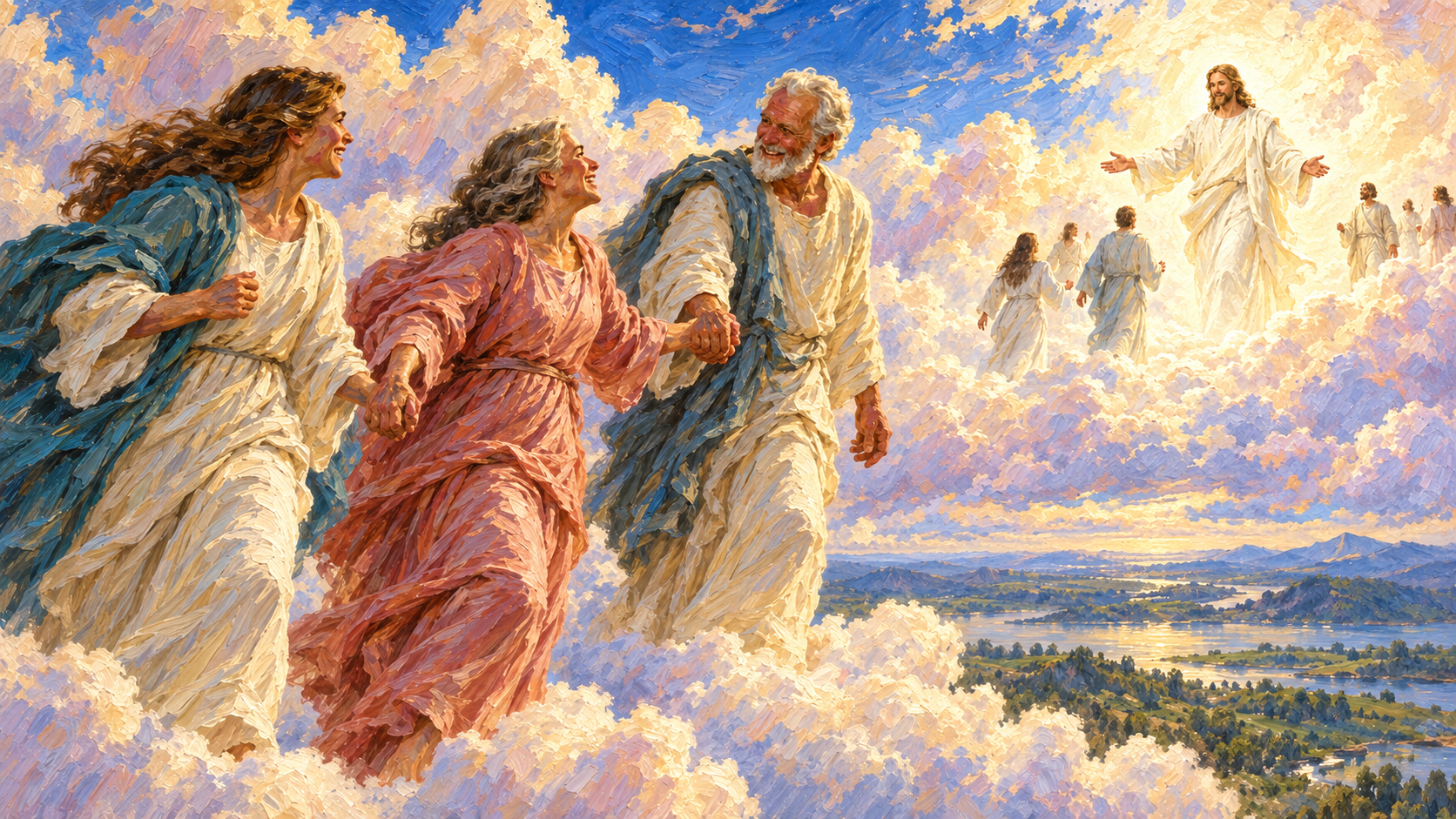
What does Paul mean when he calls Christ’s appearing “the blessed hope”? I want to understand what we are waiting for and how that expectation should shape the way we live. Paul points us to Jesus Christ Himself, without offering a vague promise that life will improve or inviting us to obsess over prophecy charts.
The Blessed Hope Begins with Christ Himself
The phrase comes from Paul’s letter to Titus, just after he explains that God’s grace brings salvation and teaches believers how to live in the present age. That same grace trains us to deny ungodliness and worldly lusts, and to live with self-control and godliness as we look toward Christ’s appearing.
Looking for the blessed hope and glorious appearing of our great God and Savior Jesus Christ.
Political change or better world conditions cannot fulfill the hope Paul describes, because the Church is waiting for Jesus Himself. I notice that Paul calls Him “our great God and Savior,” identifying the One we expect to see. He is the eternal Son who became fully man without ceasing to be God. Our hope rests in the Savior who gave Himself for the Church, rather than in a timetable.
Who gave Himself for us, that He might redeem us from every lawless deed and purify for Himself His own special people, zealous for good works.
Christ gave Himself to redeem a people and purify them for Himself, so Titus will not let us separate hope from obedience. If I expect to see Him, I should want to please Him now. Grace turns us away from worldly lusts and teaches us how to live while we wait. Expecting His return gives us no reason to become lazy.
Our everyday use of the word hope often includes uncertainty. We say, “I hope this happens,” because we do not know whether it will. But biblical hope rests on God’s word and the expectation that He will keep it. Although we do not know the day or hour, we know the One who made the promise.
The same Jesus who shed His blood for sinners rose bodily and ascended to heaven. He now intercedes for His people, representing them before the Father, and He will gather His Church to Himself. Knowing whose hands hold our future should steady us. This doctrine gives us reason for confidence in His control, not anxiety or quarrels with other Christians.
Jesus gave that personal emphasis when He comforted His disciples before the cross. He pointed them to His Father’s house and promised that He would return for them.
And if I go and prepare a place for you, I will come again and receive you to Myself; that where I am, there you may be also.
Jesus explained why He would receive His own: “that where I am, there you may be also.” I do not want to miss that desire to have us with Him while thinking about what we will escape. The blessed hope includes deliverance from wrath, but the Church is waiting for the Savior who bought her with His blood and wants her beside Him. The Church waits as a bride for her Bridegroom, looking forward to being with Him.
Christ Will Gather and Transform His Church
Paul wrote 1 Thessalonians 4 to believers grieving over Christians who had died. He comforted them by explaining what will happen when the Lord descends. That gives us one of Scripture’s clearest descriptions of the catching away of the Church, with something definite for those grieving believers to hold onto.
For the Lord Himself will descend from heaven with a shout, with the voice of an archangel, and with the trumpet of God. And the dead in Christ will rise first.
Then we who are alive and remain shall be caught up together with them in the clouds to meet the Lord in the air. And thus we shall always be with the Lord.
Paul began with the believers the Thessalonians feared had missed the promise: the dead in Christ will rise first. Those still alive will then be caught up with them in the clouds to meet the Lord in the air. This is a bodily and personal reunion. The comfort lasts beyond the end of death itself, because all of them will always be with Christ.
Paul tells the Church to comfort one another with these words. That makes me think about how we handle prophecy. Does our explanation help believers see the resurrection and reunion he promises, or leave them eager to quarrel or proud of their position? The passage gives us comfort because we will remain in the presence of our Lord. That is what our teaching should help people understand.
In 1 Corinthians 15, Paul explains this event as part of his larger defense of bodily resurrection. Christ rose bodily, and believers will be raised too. Near the end of the chapter, Paul reveals that although not every believer will die before Christ comes, every believer will be changed.
Behold, I tell you a mystery: We shall not all sleep, but we shall all be changed.
In a moment, in the twinkling of an eye, at the last trumpet. For the trumpet will sound, and the dead will be raised incorruptible, and we shall be changed.
A mystery in this setting is a truth God is now making known. Living believers will be transformed suddenly as the dead are raised incorruptible, and the mortal body will put on immortality. We are not waiting to leave our bodies forever and exist as disembodied spirits. The Lord will raise His dead and transform those who are still living.
I find encouragement here for the ordinary weakness of our bodies as they age and suffer. Believers still face sickness, and persecution or grief can add to that suffering. Unless Christ comes first, every earthly body will eventually die. Yet His resurrection guarantees that death will not keep His people. Our blessed hope belongs to that larger resurrection hope secured by Jesus’ empty tomb.
The Church Is Not Appointed to the Coming Wrath
I understand the gathering of the Church to occur before the Tribulation. One reason is Paul’s teaching that believers are not appointed to wrath. I want to state this carefully because the Bible never promises Christians freedom from all suffering. The apostles suffered, and the Church has faced persecution for centuries. The question is whether Christ’s Church is appointed to the coming hour of God’s wrath.
For God did not appoint us to wrath, but to obtain salvation through our Lord Jesus Christ.
Paul has just described the Day of the Lord coming like a thief upon people who are saying “peace and safety.” He identifies believers as children of light and of the day, and calls them to watch and remain sober. They do this because they belong to the Lord, not because God has appointed them to that wrath.
Because you have kept My command to persevere, I also will keep you from the hour of trial which shall come upon the whole world, to test those who dwell on the earth.
Revelation 3:10 promises to keep believers from an hour of trial that will come upon the whole world. The scope of that promise helps me understand it as part of the pre-Tribulation hope. It concerns a global time of testing, rather than an ordinary local hardship. This also fits the New Testament’s call to wait for Christ, without first waiting for the Antichrist or for divine wrath to begin.
A Christian should still be prepared to suffer for Christ now. Hatred from the world may bring loss or imprisonment, and may even cost him his life. Those are terrible realities, but persecution by men is different from the future wrath God appoints for an unbelieving world. I do not see the blessed hope making the Church soft. It gives us confidence to face present suffering because our future remains in Christ’s hands.
The Gathering and the Visible Return
The gathering of the Church and Christ’s visible return in judgment belong to the larger hope of His coming. I do not understand them as the same event, because the passages describe different things happening. At the gathering, believers are caught up to meet the Lord in the air. At His later visible return, Christ comes to earth as King to judge His enemies and establish His reign.
The Church expects Jesus to receive His own, and that helps explain why Paul presents the blessed hope as comfort rather than terror. We are looking for our Savior, not for God’s wrath to fall on us. This expectation does not diminish the rest of prophecy. The Tribulation will be real, and Christ will visibly return in judgment and establish His kingdom. All of that is certain, while the Church’s immediate expectation is to be received by Him.
Some Christians believe the blessed hope refers only to the visible return after the Tribulation. That view rightly insists that Jesus will return bodily and openly as King. The question is whether every passage about His coming describes the same moment from the same angle. 1 Thessalonians 4 describes saints being caught up to meet Him in the air and uses that truth to comfort the Church. Other passages describe Christ coming to earth in judgment to defeat His enemies. These events belong within the larger return of Christ, but I do not believe Scripture requires us to collapse them into one undivided moment.
Another objection is that a pre-Tribulation hope leaves Christians unprepared for hardship. I would share that concern if the doctrine offered comfort without discipleship, but Titus 2 joins the two. Grace teaches us to live godly lives while we wait, and we should already be ready to suffer for Christ in this age. Expecting His return should strengthen that faithfulness.
Readiness also must not be turned into a work that earns a place in the gathering. Salvation is by grace through faith in Jesus Christ, and the believer is secure in Him. Watchfulness is the posture of people who belong to Christ; it is not the price they pay to become His. At the same time, the command to watch exposes spiritual sleep and challenges a shallow profession that claims Christ while refusing His rule.
Watching for Christ in Daily Life
The New Testament calls believers to watch for Christ while faithfully doing the work He has given them. It does not tell us to set dates or build prophetic certainty from every headline. A person who expects the Master wants to be found obeying Him, so watching involves more than waiting for something to happen.
If I expect Christ to come, I need to pay attention to sound doctrine and recognize temptation in my own life. That expectation should also make me attentive to the needs of the Church and the urgency of sharing the gospel. His coming at any time gives me more reason to be faithful now.
For our citizenship is in heaven, from which we also eagerly wait for the Savior, the Lord Jesus Christ.
Who will transform our lowly body that it may be conformed to His glorious body.
Philippians connects our waiting with our citizenship in heaven. We belong there even while serving faithfully on earth. Our final allegiance and hope rest in Christ. He is the Savior who will transform our bodies. Once again, the promise of His coming brings us back to bodily resurrection.
For yet a little while, and He who is coming will come and will not tarry.
Hebrews encourages weary believers to endure by assuring them that Christ will come. God has promised that outcome without telling us the timing. We can therefore watch with faithful readiness instead of panic, trusting the One who is coming.
Titus says grace teaches us to refuse ungodliness. Alongside that, 1 Thessalonians calls believers children of light, and 1 John connects hope in Christ’s appearing with purity. These passages make me consider whether my life agrees with the Word of the Lord I expect to meet. Looking forward to seeing Him should affect how I live now.
The possibility that Christ may come soon gives urgency to evangelism and discipleship, rather than a reason to abandon them. We still need to care for one another and show mercy while testing doctrine by Scripture. The Church serves because her Master is coming. Knowing the outcome belongs to Him gives us courage to keep doing that work.
Paul wrote 1 Thessalonians 4 so Christians could grieve differently from those who have no hope. He was giving them more than information to satisfy their curiosity about an end-times chart. The dead in Christ will rise first, so they have not been excluded from His promise. That is comfort we need to keep at the center of this teaching.
The blessed hope reaches into the grief found beside a grave or in a hospital room. It also speaks to the quiet ache that follows an ordinary loss. A believer can mourn honestly without giving himself to despair. Death is still an enemy, but Christ defeated it through His bodily resurrection and will raise His own. Families who belong to Christ will be gathered into one unbroken fellowship with the Lord.
For fuller treatment of the timing and related passages, see A Complete Bible Study Examining the Pre-Tribulation Rapture and A Complete Bible Study on the End Times Timeline. The alternate timing view is examined in A Complete Examination of the Post-Tribulation Rapture, while A Complete Bible Study on the Seven Trumpets of Revelation develops part of the coming judgment in more detail.
My Final Thoughts
After comparing these passages, I believe the blessed hope is Jesus Christ appearing to gather His Church before the coming hour of wrath. That gathering is distinct from His later visible return in judgment, but the heart of the promise is simpler than any timeline: we will be with the Lord. This hope should make us steady in suffering and serious about holiness. It also gives grieving believers something stronger than a vague assurance because Christ will raise His dead and transform the living. He is our great God and Savior, and He is worth waiting for with a faithful heart.