
Why do Christians use the word Trinity when it isn’t found in the Bible? The word gives us a concise way to confess what Scripture reveals about the one true God, who eternally exists as three distinct Persons: the Father, the Son, and the Holy Spirit. I want to understand that from the passages themselves, even where God’s revelation takes us beyond an easy analogy or the categories we might prefer.
One God in Three Persons
When we say God is one in essence and three in Person, we’re making a distinction between what God is and who He is. Essence refers to the one divine being, while Person helps us speak of the Father, the Son, and the Holy Spirit as they act and relate to one another. They are personally distinct, but they are not three beings or three pieces of God. Each Person is fully and eternally God, so each is worthy of worship.
We don’t arrive at this doctrine from one isolated verse. The Old Testament firmly establishes that there is one God, and the New Testament reveals the three Persons working together in salvation and receiving divine honor. We find them named together in baptism and in blessings over the church. We also learn that believers come to the Father through the Son by the Holy Spirit. Alongside these passages, Scripture directly teaches that Christ is God and that the Holy Spirit is a divine Person, while repeatedly distinguishing all three from one another.
We need to begin with the Bible’s clear confession that God is one. Israel lived among nations that worshiped many gods, but the Lord called His people to confess Him alone, leaving no room for divine rivals.
“Hear, O Israel: The LORD our God, the LORD is one!”
This verse is often called the Shema because it begins with the Hebrew command to hear. Israel was called to listen to the one covenant God and respond with worshipful obedience. The verses that follow call His people to love the LORD with their whole being. That helps me see why monotheism, or belief in one God, cannot stop at agreeing with a statement. If He alone is God, my loyalty to Him needs to reach every part of life.
Isaiah makes the same point about the LORD alone being God:
I am the LORD, and there is no other; There is no God besides Me. I will gird you, though you have not known Me,
Isaiah leaves no room for another God beside the LORD. Calling God a Trinity cannot mean that three separate divine beings happen to agree with one another. However we explain the three Persons, we must preserve what Isaiah says about the one God.
James reminds us that even demons believe there is one God and tremble. I can agree with a correct statement about God and still remain in rebellion against Him, so agreement alone cannot be saving faith. Saving faith receives God as He has revealed Himself and trusts the Son whom He sent.
You believe that there is one God. You do well. Even the demons believe–and tremble!
The Hebrew word translated “one” in Deuteronomy 6:4 is echad, the ordinary Hebrew word for one. It can describe a single unit or, in some settings, a unified oneness, as when Genesis says a husband and wife become one flesh. Understanding that range helps us read the passage accurately, but I wouldn’t use the word alone as proof of the Trinity. Echad leaves room for the fuller revelation Scripture later gives; that fuller revelation is still needed.
We should exercise the same care with God’s words in Genesis 1 about making man in “Our image.” That language is consistent with plurality in God and fits naturally with later revelation, but I would not ask this verse alone to establish the doctrine. We need the whole biblical witness to understand the Trinity.
The word Trinity helps Christians summarize and protect biblical truth without replacing Scripture’s own language. When we use essence and Person, we’re trying to be precise about what Scripture affirms and what it rules out: one divine essence eternally shared by three distinct Persons.
The Father and the Son Are God
Few people who claim to follow the Bible dispute that the Father is God. Recognizing His deity does not mean the Son and Holy Spirit occupy some lesser rank. The Father is fully God and personally distinct from both, but He is not the only Person who is truly God.
To all who are in Rome, beloved of God, called to be saints: Grace to you and peace from God our Father and the Lord Jesus Christ.
The Father lovingly gives and sends the Son, who willingly comes to do His Father’s will. The Holy Spirit applies Christ’s finished work to believers. We can recognize this order in redemption without making the Father more fully God than the Son or the Spirit. Their actions show us how the distinct Persons work within the one Godhead.
For God so loved the world that He gave His only begotten Son, that whoever believes in Him should not perish but have everlasting life.
John 3:16 says the Father loved the world and promises everlasting life to whoever believes in the Son. I don’t want to narrow that invitation when explaining who God is. Christ died for the whole world, and God’s invitation to receive salvation is genuine. Those who believe are saved.
What Scripture says about Jesus Christ is essential to understanding the Trinity. He is fully God and fully man, so Bethlehem was not the beginning of His existence. The eternal Son took real human flesh and dwelt among us without ceasing to be God.
In the beginning was the Word, and the Word was with God, and the Word was God.
John says both that the Word was with God and that the Word was God. I need to keep those statements together: the Word is personally distinct from the Father and possesses the divine nature. Calling Jesus a created being, even the highest angel, would not account for what John says. Neither would treating Him as a lesser deity.
And the Word became flesh and dwelt among us, and we beheld His glory, the glory as of the only begotten of the Father, full of grace and truth.
The Word becoming flesh does not mean He became a person for the first time. The eternal Son became man while remaining God. His deity means He can truly reveal the Father, and His genuine humanity means He can stand in our place as the sinless substitute.
After the resurrection, Thomas addressed Jesus directly:
And Thomas answered and said to Him, “My Lord and my God!”
Jesus received Thomas’s confession without rebuking him for blasphemy. Thomas rightly recognized the risen Christ as Lord and God. Scripture also teaches that all things were made through Him, and Paul explains that Christ existed before them all and continues to hold them together.
And He is before all things, and in Him all things consist.
If all things were made through the Son, He cannot Himself be a created being. He is eternal and divine, which is why He deserves the same honor as the Father. Jesus Himself says all people should honor the Son just as they honor the Father, and that dishonoring the Son also dishonors the Father who sent Him.
The Holy Spirit Is God and Personally Distinct
People often speak of the Holy Spirit as an impersonal power or a spiritual atmosphere. Scripture reveals Him as a divine Person. He teaches according to His will and bears witness to the truth. He also speaks to God’s servants and guides them when they need direction. We can grieve Him or lie to Him because He is personal; those actions do not describe our relationship with a mere influence.
But Peter said, “Ananias, why has Satan filled your heart to lie to the Holy Spirit and keep back part of the price of the land for yourself? While it remained, was it not your own? And after it was sold, was it not in your own control? Why have you conceived this thing in your heart? You have not lied to men but to God.”
Notice that Peter first said Ananias had lied to the Holy Spirit and then said he had lied to God. He was speaking about the same act. Ananias had wronged someone, not misused an impersonal force, and Peter identified that Person as God.
Jesus promised the Spirit as another Helper:
And I will pray the Father, and He will give you another Helper, that He may abide with you forever.
The Greek phrase allos Parakletos means “another Helper.” Since the word translated “another” can refer to another of the same kind, it helps us understand Jesus’ promise of a personal Helper who will remain with believers. He was not promising a lesser replacement or an impersonal religious energy. The Holy Spirit brings conviction of sin and regeneration, which means new birth, before taking up residence within those who believe. He continues to teach and empower His people from within, and seals them as belonging to God.
And do not grieve the Holy Spirit of God, by whom you were sealed for the day of redemption.
The promise of being sealed for the day of redemption gives me confidence in who keeps the believer secure. God does not give a person new birth and then leave that person to preserve himself by sheer effort. The Holy Spirit marks him as God’s own for that day, so eternal security rests in God’s saving work rather than our ability to hold on.
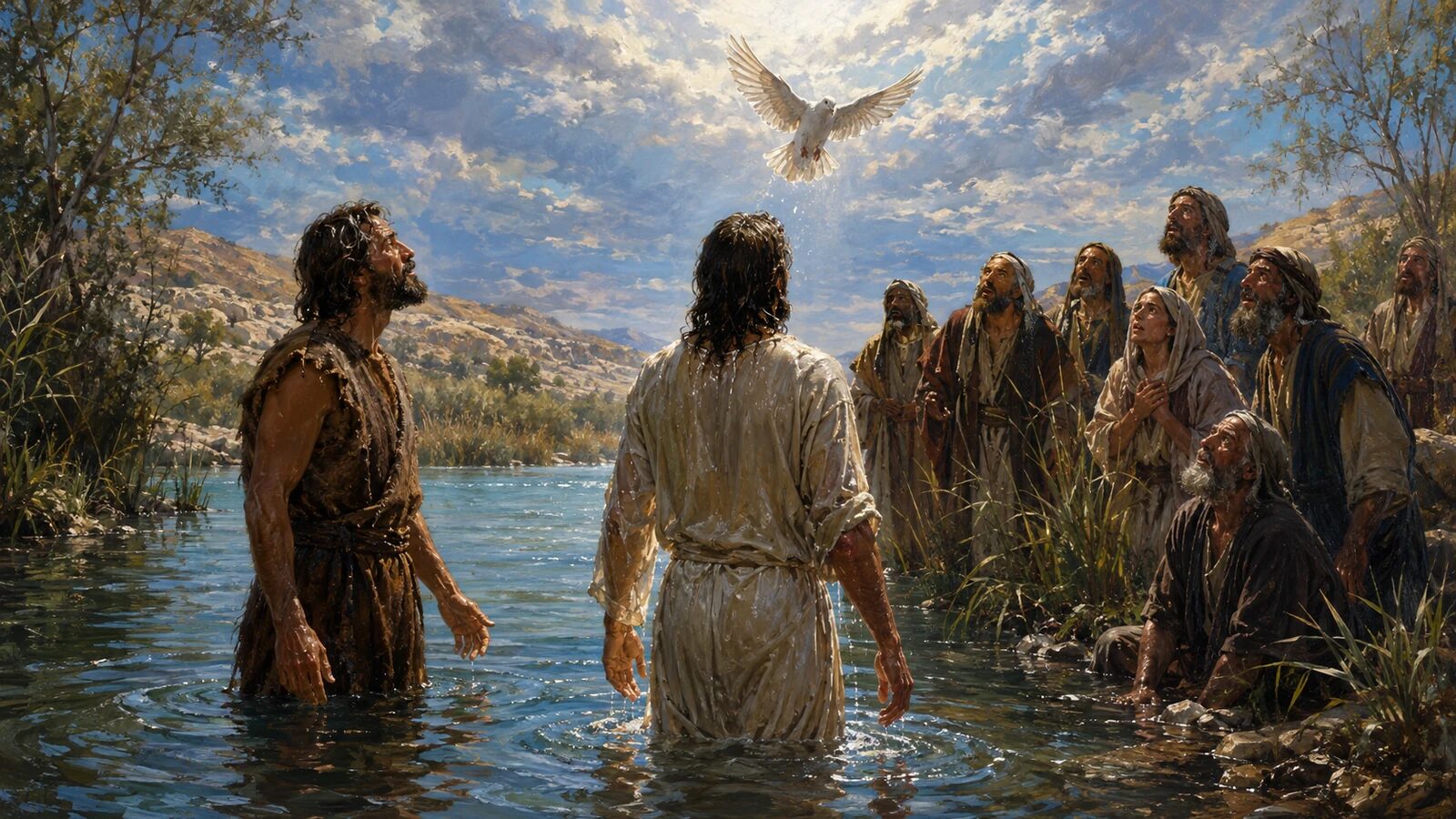
Confessing that each Person is God is only part of what Scripture teaches. We also need to recognize their personal distinctions. The Son prayed to the Father, who sent Him, and Scripture speaks of the Holy Spirit being sent by both the Father and the Son. At Jesus’ baptism, the Spirit descended upon the Son while the Father spoke from heaven.
When He had been baptized, Jesus came up immediately from the water; and behold, the heavens were opened to Him, and He saw the Spirit of God descending like a dove and alighting upon Him. And suddenly a voice came from heaven, saying, “This is My beloved Son, in whom I am well pleased.”
At Jesus’ baptism, the Son stood in the water while the Holy Spirit descended upon Him and the Father spoke from heaven. I cannot fit that account into the idea of one Person acting out three roles. Jesus was not the Father pretending to speak to Himself, nor was the Spirit another appearance of the Son. Scripture presents their relationships as real, including their love for one another. The Father truly sent the Son, and the Son truly obeyed Him. Each Person glorifies the others.
These distinctions do not divide the divine essence. Christians do not worship three gods but the one God who eternally exists in three Persons.
Scripture Names the Three Together
We also find the three Persons named together in passages about salvation, baptism, and blessings over believers. The same pattern appears when Scripture explains our access to God. These passages help me see that Christians did not have to add a later philosophy to Scripture to speak this way. The language of our faith comes from what God has revealed.
Go therefore and make disciples of all the nations, baptizing them in the name of the Father and of the Son and of the Holy Spirit,
Jesus says “name” rather than “names,” yet He distinctly names each of the three Persons. His wording places them under one divine name, ruling out both three separate gods and one Person merely appearing in three roles. We need to retain both the unity and the personal distinctions in His command.
The grace of the Lord Jesus Christ, and the love of God, and the communion of the Holy Spirit be with you all. Amen.
Paul places the Lord Jesus and the Holy Spirit alongside God without hesitation. The blessing itself shows how naturally Christian worship acknowledges the three Persons.
For through Him we both have access by one Spirit to the Father.
When I come to the Father, I come through Christ and by the one Spirit. That is how sinners are brought near to God. The Trinity describes the access believers actually have to Him, so it cannot be set aside as an abstract subject with no bearing on Christian life.
I follow the Textus Receptus and received-text tradition for New Testament language work, so I do not believe 1 John 5:7 should be discarded because modern critical-text traditions dispute it. The verse is a clear witness:
For there are three that bear witness in heaven: the Father, the Word, and the Holy Spirit; and these three are one.
I receive 1 John 5:7 as Scripture, but my understanding of the Trinity does not depend on that verse alone. Across the Bible, we find the confession of one God alongside the full deity of Christ and the Holy Spirit’s identity as a divine Person. Scripture also distinguishes the three Persons from one another. 1 John 5:7 fits this whole witness and states it with unusual clarity.
These passages also explain why certain views fail. Tritheism treats the Persons as separate gods, contrary to the one God taught in Deuteronomy 6:4 and Isaiah 45:5. Modalism says God is one Person wearing three roles, but that leaves us unable to account for the Son praying to the Father or the Spirit being sent as another Helper.
The idea of a created Son also fails because all created things were made through Christ. He existed before them and continues to sustain them, so Thomas rightly confesses Him as God.
The idea that the Spirit is impersonal likewise fails to explain His speaking and teaching as a divine Person. He seals believers and can be grieved by them, and Acts 5 directly identifies Him as God.
The Triune God Saves and Deserves Worship
The Trinity is inseparable from the way God saves us. The Father sends the Son to accomplish redemption, and the Holy Spirit gives new life to everyone who believes. He then indwells and seals each person who is truly born again. None of the Persons is competing with another; this is the united saving work of the one God.
Because the Father loves the world, He sent His Son. Jesus came willingly and became fully man through the virgin birth while remaining fully God. He lived without sin, yet wicked men physically tortured Him and inflicted the punishment that killed Him. Jesus willingly bore that real punishment for our sins in His innocent body, shedding His blood and dying for us. He was buried and rose bodily. The Father did not punish or curse Jesus, nor did He abandon Him. He did not strike or bruise His Son or pour wrath on Him. The Holy Spirit brings new birth and applies Christ’s finished work to everyone who believes.
For He made Him who knew no sin to be sin for us, that we might become the righteousness of God in Him.
Jesus’ saving work has the worth Scripture gives it because He is God, and He can stand in our place because He is truly human. The Holy Spirit is also God, so the new birth and sealing of a believer are God’s own work within that person. I cannot separate the gospel from the Trinity without changing who saves us and how He does it.
not by works of righteousness which we have done, but according to His mercy He saved us, through the washing of regeneration and renewing of the Holy Spirit,
Christ died for the whole world, and God genuinely offers salvation even though people can resist and reject it. Whoever repents and believes is forgiven and justified, meaning declared righteous before God. That person is born again and made new. The Holy Spirit indwells and seals the believer, whose salvation is eternally secure. This security gives no permission for lawlessness. Nor does a superficial profession establish that someone has genuinely been born again.
God saves us through His mercy, not through our works. The Holy Spirit renews the believer on the ground of Christ’s finished work and according to the Father’s loving purpose. That order keeps me from confusing the good works that grow out of a changed life with the price of forgiveness. We never earn what God gives in mercy.
Our worship needs to reflect what we confess about God. We worship the Father and the Son as God, and the Holy Spirit deserves the same divine honor. In honoring each Person, we are worshiping the one God who eternally exists in three Persons.
The New Testament often describes prayer as coming to the Father through the Son by the Holy Spirit. I would not turn that pattern into a mechanical rule that invalidates other biblical prayers. Stephen addressed the Lord Jesus as he was dying, and the church calls upon the Lord’s name. The Holy Spirit also helps believers in their weakness. Our access to God in all these expressions of prayer still depends on the Son’s mediation and the Spirit’s work.
If studying the Trinity leaves my worship cold, I need to think about what these passages are describing. The Father sent His beloved Son, who willingly shed His blood for us. The Holy Spirit has come to dwell within believers rather than leave them abandoned. The one true God has drawn near to save us, and that gives us reason to worship Him with gratitude.
At the same time, I don’t have to pretend I can fully comprehend God’s eternal life in order to believe what He has revealed. Saying He is one in essence and three in Person is not a contradiction, because one and three describe different things about Him. We can speak truthfully about God while humbly recognizing that He is greater than our understanding.
That is why I would be cautious about using a familiar object to explain God. Water changing from one form to another can suggest modalism, as though God were one Person appearing in different ways. An egg can suggest partialism because its shell and interior are only parts of a whole. The sun with its light and heat can blur the personal distinctions Scripture reveals. Every analogy breaks down somewhere, so we need to let Scripture govern our explanation even when an illustration seems easy to grasp.
Recognizing Jesus as the eternal Word who became flesh strengthens our worship of Him. He is our Lord and our God, not a lesser helper. The One who was crucified for us has risen and remains our only Savior.
The Spirit’s presence also calls for a personal response. He is the divine Helper who gives new life and dwells within every believer, teaching and convicting God’s people while sealing them for the day of redemption. If I treat Him merely as a force, I overlook the Person who deserves divine honor and whom my sin can grieve.
My confidence in salvation rests in the one God who saves. The Father lovingly sent His Son, who willingly came and accomplished redemption. The Holy Spirit gives life and seals everyone who truly believes. Salvation therefore rests on God’s finished work, not on a fragile human effort to make ourselves secure.
For related teaching, see A Complete Bible Study on the Deity of Jesus, A Complete Bible Study on the Person of the Holy Spirit, and Soteriology: The Study of Salvation.
My Final Thoughts
The word Trinity faithfully summarizes what Scripture reveals about the LORD being one and the Father, Son, and Holy Spirit each being fully and eternally God. Their personal distinctions are real, even though God’s eternal life is not easy for us to picture. I would rather acknowledge that limit than settle for an explanation that makes Him three gods or treats the Persons as roles or parts. This doctrine also protects the gospel I trust: the Father sent His Son, who accomplished redemption in a real human body without ceasing to be God. The Holy Spirit gives new life and seals believers. Through the Son and by the Spirit, we come to the Father in worship, grateful that the one true God has drawn near to save us.