


The parable of the mustard seed illustrates the surprising growth and expansive reach of the kingdom of God. Jesus told this parable in Matthew 13:31–32, Mark 4:30–32, and Luke 13:18–19:
“The kingdom of heaven is like a mustard seed, which a man took and sowed in his field, which indeed is the least of all the seeds; but when it is grown, it is greater than the herbs and becomes a tree, so that the birds of the air come and nest in its branches.” (Matthew 13:31–32)
The mustard seed was known in Jewish culture for its tiny size. Jesus used it to emphasize the humble beginnings of His kingdom, which started with Himself and a small group of disciples. Despite its small start, the kingdom would grow rapidly and have far-reaching impact.
The resulting tree signifies the expansive and enduring nature of God’s rule through Christ. It grows large enough to provide shelter, indicating how the kingdom welcomes and protects people from all nations. The birds nesting in its branches allude to Old Testament imagery where great kingdoms provide refuge (Ezekiel 17:23; Daniel 4:12).
This parable rebukes the expectations of a political or militaristic kingdom and instead reveals a spiritual reign that grows quietly, steadily, and supernaturally.
The mustard seed also speaks to the nature of faith. Elsewhere, Jesus said:
“If you have faith as a mustard seed… nothing will be impossible for you.” (Matthew 17:20)
The parable teaches that small beginnings in God’s hands yield great results. It calls believers to trust in God’s power to build His kingdom and to be faithful with what seems small, knowing He brings the increase.
Ultimately, the parable of the mustard seed reveals the kingdom’s hidden strength, universal reach, and guaranteed growth by divine design.


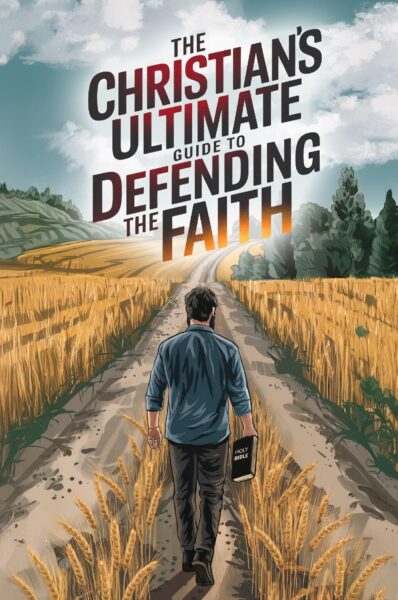 Get the book that teaches you how to evangelize and disarm doctrines from every single major cult and religion.