


The account of Cain and Abel is found in Genesis 4:1–16. Cain and Abel were the first two sons of Adam and Eve. Abel was a keeper of sheep, while Cain was a tiller of the ground. In time, both brought offerings to the Lord. Abel offered the firstborn of his flock and their fat, while Cain brought an offering of the fruit of the ground (Genesis 4:3–4).
The Lord respected Abel and his offering, but He did not respect Cain and his offering. The text does not explain in detail why, but Hebrews 11:4 indicates that Abel offered “by faith,” suggesting his heart and the nature of his sacrifice were acceptable to God. Cain became very angry, and his countenance fell.
The Lord addressed Cain directly, saying, “Why are you angry? And why has your countenance fallen? If you do well, will you not be accepted?” He warned Cain that sin was lying at the door, and its desire was for him, but that he should rule over it (Genesis 4:6–7).
Instead of heeding the warning, Cain lured Abel into the field and killed him (Genesis 4:8). This was the first murder recorded in Scripture. When the Lord asked Cain where Abel was, Cain replied, “I do not know. Am I my brother’s keeper?” (Genesis 4:9). God confronted him with the reality of his sin, saying, “The voice of your brother’s blood cries out to Me from the ground” (Genesis 4:10).
As a result, Cain was cursed from the earth. He would no longer be able to farm productively, and he became a fugitive and a wanderer. When Cain expressed fear that others would kill him, God set a mark on him for protection (Genesis 4:11–15).
Cain’s act revealed a heart of rebellion, envy, and rejection of God’s instruction. Abel’s death is referenced throughout Scripture as an example of the persecution of the righteous. In 1 John 3:12, it says Cain “was of the wicked one and murdered his brother. And why did he murder him? Because his works were evil and his brother’s righteous.”
The account teaches the seriousness of sin, the importance of offering worship that pleases God, and God’s justice and mercy even in judgment.

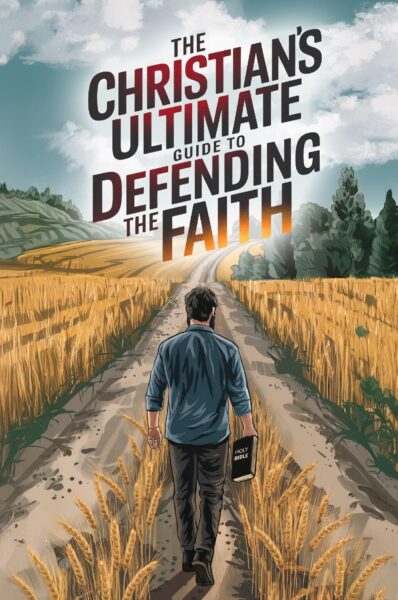 Get the book that teaches you how to evangelize and disarm doctrines from every single major cult and religion.