


The burning bush reveals God’s holiness, self-existence, and His desire to call and commission His servants. When Moses encountered the bush on Mount Horeb, it was burning but not consumed, a miraculous sign that drew his attention.
Exodus 3:2–3 says:
“And the Angel of the Lord appeared to him in a flame of fire from the midst of a bush. So he looked, and behold, the bush was burning with fire, but the bush was not consumed. Then Moses said, ‘I will now turn aside and see this great sight, why the bush does not burn.’”
The fire represents God’s purity, power, and judgment, yet the bush not being consumed points to His sustaining presence. God called Moses from the midst of the fire, declaring His holiness:
“Do not draw near this place. Take your sandals off your feet, for the place where you stand is holy ground.” (Exodus 3:5)
This teaches that God is holy and must be approached with reverence. The bush’s preservation also symbolizes how God’s presence does not destroy but sanctifies. Moreover, the appearance of “the Angel of the Lord” reveals the pre-incarnate Christ, showing God’s personal involvement in delivering His people.
The burning bush demons/”>demonstrates that God is self-existent and unchanging. Just as the fire burned without fuel, God depends on nothing for His being. He is eternal and all-sufficient. This encounter set the stage for the revelation of His name, “I AM WHO I AM,” confirming His absolute existence and authority.
The burning bush ultimately reveals a God who is holy, present, and faithful, calling His people to serve Him in humility and obedience.

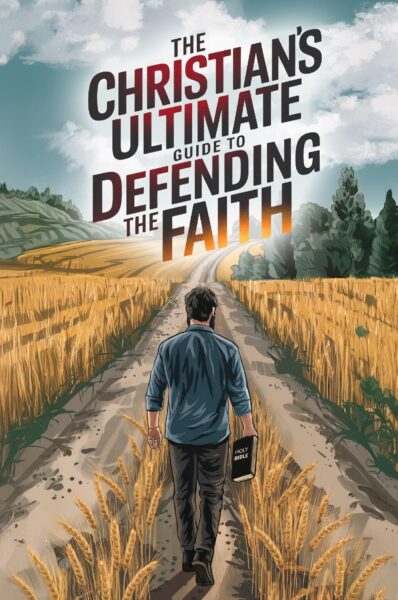 Get the book that teaches you how to evangelize and disarm doctrines from every single major cult and religion.